Spectacular Scorpion Kick Goal Leaves Fans and Pundits Speechless
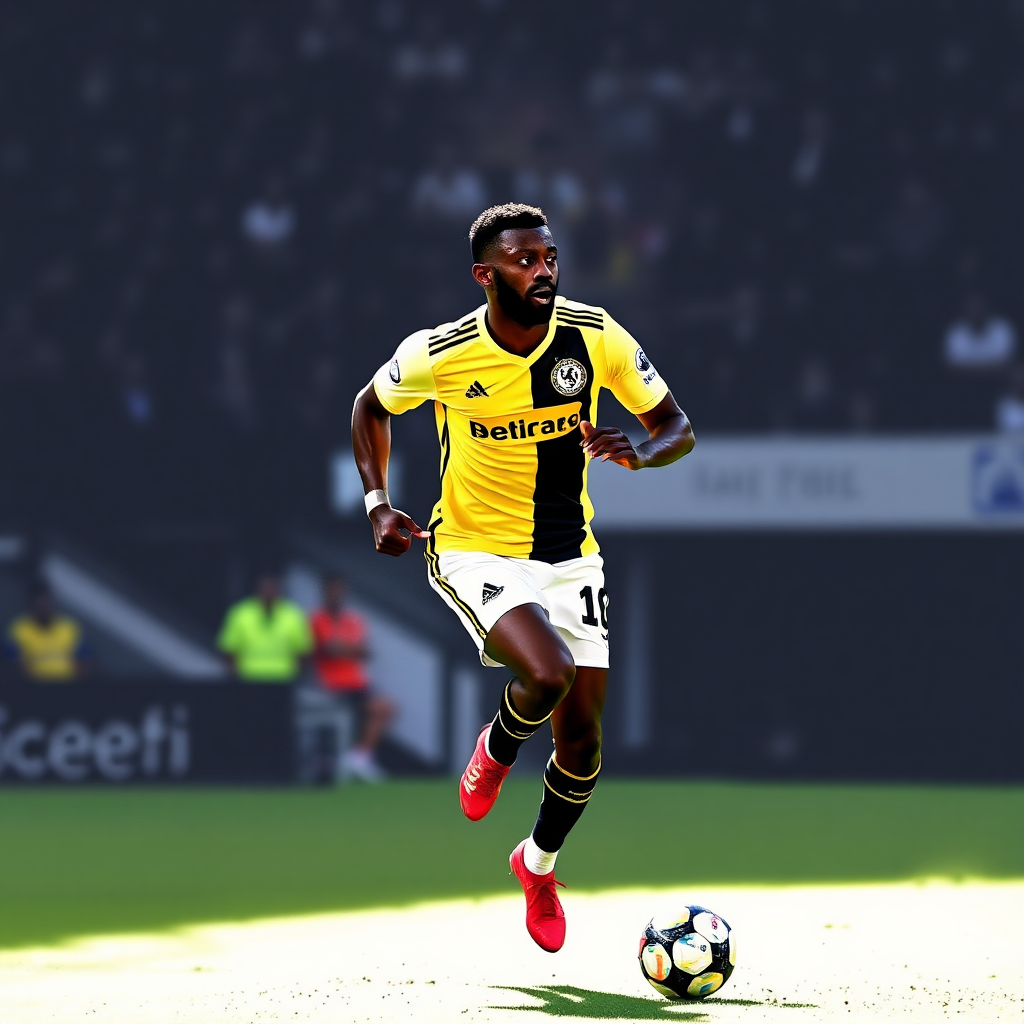
The stadium floodlights cut through the evening haze as the defensive line stepped up together, leaving a single attacker isolated near the edge of the penalty area. A heavy backpass rolled toward him, his torso facing away from the net, and within two seconds his body rotated off the ground. The strike connected cleanly, arcing over the outstretched fingertips of the keeper before rippling the mesh. Chat feeds froze. Broadcasters missed their cue. For roughly four seconds, the entire viewing community operated on pure instinct, waiting for replay confirmation before allowing any verbal reaction.
What viewers and analysts are actually tracking after the strike
After moments that break conventional gameplay patterns, search behavior shifts rapidly. People stop looking for basic scorelines and start hunting for technical breakdowns, player verification, and tactical context. The immediate need is clarity on timing and positioning. Observers question how many touches preceded the attempt, whether a preceding dribble sequence created the window, and if the defensive misalignment was intentional or accidental. Social threads quickly pivot from celebration to reconstruction, mapping out spacing, recovery runs, and goalkeeper decision-making. When coverage spreads across multiple platforms, consistency becomes the primary metric. Watchers cross-reference angles to confirm what they saw, filter out exaggerated commentary, and look for post-match press notes that either validate or temper the initial hype. The longer a moment sustains interest, the more audiences demand structured analysis instead of reactive headlines.
 Hình minh hoạ: https://manclub9.br.com/
The tactical and biomechanical context behind the moment
Acrobatic finishes rarely arrive in isolation. They emerge from sustained pressure, spatial awareness, and split-second adaptation. The player’s approach required reading the ball’s trajectory while simultaneously adjusting body orientation under physical fatigue. Core engagement, hip rotation, and plant-foot placement determine whether the attempt stays within the frame or sails wide. Even when the execution looks effortless, the underlying mechanics involve precise weight transfer and timing that cannot be rushed. Defenders often leave such opportunities open because conventional marking systems prioritize forward passes and central channels. When a loose ball drifts backward or sideways, it creates a blind spot that only players comfortable operating outside standard formations can exploit. The result is a highlight that feels spontaneous but rests on deliberate spatial exploitation and repeated practice under controlled conditions.
Evaluating coverage through transparency, speed, usability, security, and support
Tracking a viral sporting moment requires more than passive viewing. Those who study match distribution regularly assess several operational factors that shape how widely and accurately the footage circulates. Transparency remains the baseline. Official broadcasters and licensed news outlets typically provide uncut replays, timestamped sequences, and clear source attribution, whereas third-party aggregators sometimes strip metadata or compress quality to load faster. Speed dictates reach. Clips that upload within minutes capture peak search volume, but rapid publishing often sacrifices editorial verification. Usability influences engagement. Platforms that allow frame-by-frame pausing, multi-angle switching, and clean audio separation enable deeper technical discussion. Security matters less for entertainment value but heavily impacts credibility. Verified accounts, watermark integrity, and consistent hosting domains reduce the risk of manipulated loops or algorithmic bait. Support structures also play a role. Communities that moderate discussions, pin expert commentary, and flag inaccurate claims help separate genuine analysis from noise. These dimensions do not change the athletic achievement, but they determine whether the moment survives long-term scrutiny or fades into recycled meme culture. The latest contextual updates and archival comparisons are available at https://manclub9.br.com/.
Verifying authenticity and navigating misinformation
Moments that generate massive attention inevitably attract distortion. Deep editing, reversed timestamps, and synthetic audio overlays have become routine tools for engagement farming. To separate authentic footage from fabricated versions, observers should track source lineage first. Original clips usually appear on official league channels, club networks, or recognized sports broadcasters before appearing on independent pages. Checking resolution continuity helps as well. Authentic recordings maintain consistent bitrates, natural camera shake, and uninterrupted background ambient sound. Altered videos often show sudden quality drops, mismatched lighting between frames, or unnatural motion interpolation. Betting markets occasionally inflate narratives around rare events, so treating statistical speculation as entertainment rather than fact prevents unnecessary confusion. Cross-referencing three independent sources, verifying upload times against official match schedules, and relying on archived versions stored on neutral servers significantly reduces exposure to manipulated content. When in doubt, pause the playback, scrub through the full sequence, and compare movement physics against known biomechanical limits.

Frequently asked questions about the technique and circulation
Is this type of finish common in modern professional matches?
Rare. Structural defenses and high pressing systems leave minimal space for backward-facing attempts. Players who attempt it usually do so during transitional phases or when recovery runs lag behind attacking momentum.
Can amateur athletes replicate the technique safely?
Only with structured training. The movement places significant stress on the lumbar spine, hamstrings, and shoulder girdle. Progressive conditioning, supervised drills, and appropriate surface selection are prerequisites before attempting full repetitions.
Why do commentators struggle to describe it instantly?
Cognitive processing lags behind visual input when movements exceed standard tactical templates. Broadcasters rely on pattern recognition, and unfamiliar sequences require extra milliseconds to categorize, which explains the delayed verbal response.
How long does such a clip typically dominate search trends?
Peak visibility usually lasts seventy-two hours, followed by a steady decline as newer highlights emerge. Archived repositories and sports databases keep the footage accessible, but algorithmic promotion shifts toward recent fixtures.
Conditional conclusion and recommendations by reader group
Casual viewers benefit most from curated highlight reels and post-match breakdowns that explain spacing and timing rather than chasing viral fragments. Aspiring players should study plant-foot positioning, hip rotation drills, and core stability routines before attempting similar movements, prioritizing joint safety over spectacle. Data analysts and coaches gain more value from tracking the defensive misalignment that created the opportunity, noting which marking schemes failed to cover the rear channel and how pressing triggers shifted. Social media curators should prioritize source verification, retain original metadata, and avoid adding sensational captions that distort tactical context. Each group approaches the same footage differently, but all improve their understanding when they separate emotional reaction from structural analysis. The moment remains memorable precisely because it breaks routine expectations, yet its lasting relevance depends on how thoroughly we examine what preceded it and what follows.