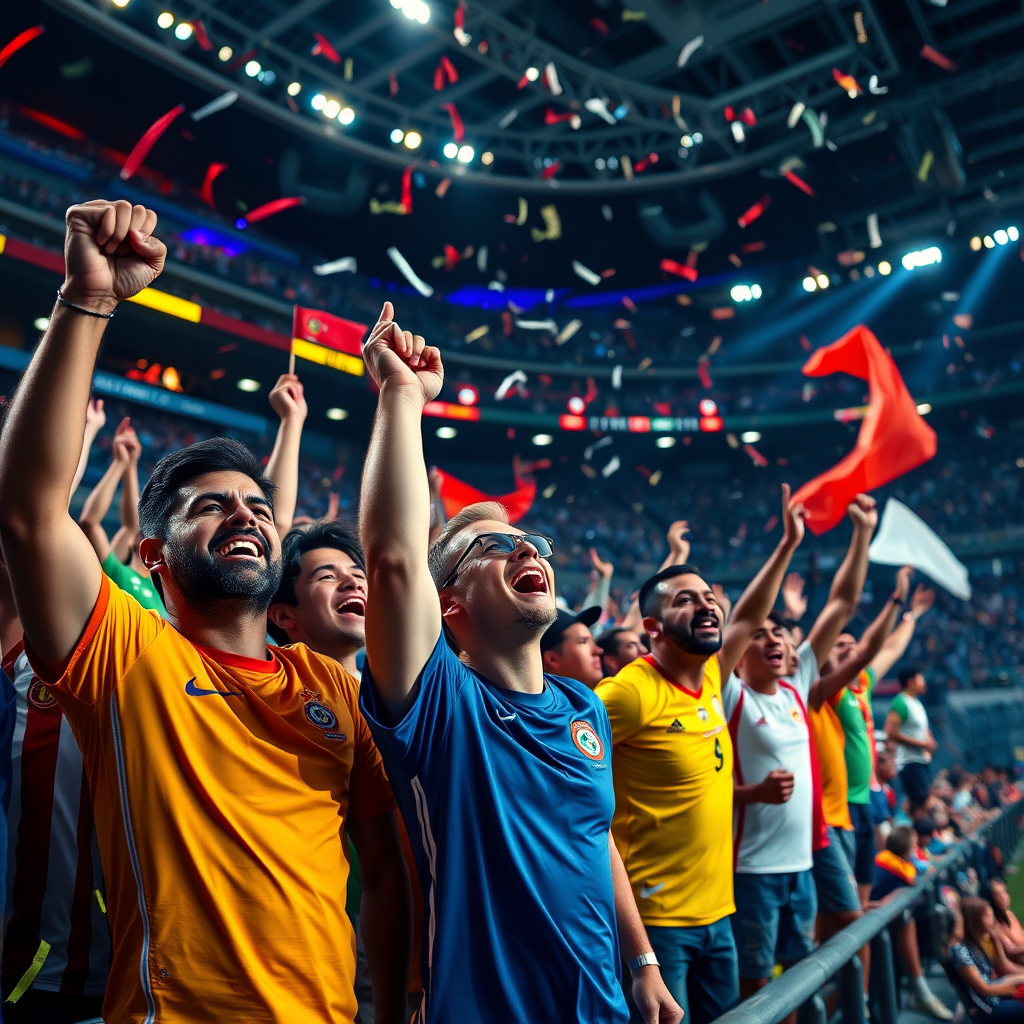
Match Preview: Real Madrid Takes On Roma in UEFA Champions League
The press conference room at Stadio Olimpico fills quickly as accreditation checks wrap up hours before the official squad submission deadline. Reporters cluster near the microphone stands, laptops open, recorders spinning, while behind the glass walls of the tactical room, both coaching staffs run through final set-piece routines and transition drills. The air carries a familiar tension: European pedigree colliding with Italian structural discipline. Real Madrid arrives with a reputation for absorbing pressure and striking with surgical precision, while AS Roma prepares to deploy a compact defensive block designed to disrupt rhythm and exploit transitional spaces. The fixture represents more than three points; it is a tactical crossroads that will likely dictate knockout trajectories.
Recent developments indicate a heavy emphasis on squad management rather than wholesale experimentation. Both clubs operate under congested calendars where domestic competitions intersect with continental obligations. Real Madrid’s medical and performance teams have been monitoring recovery metrics closely, which often leads to calculated rotation in the middle third. Roma’s setup has similarly adjusted to preserve physical reserves, favoring experienced campaigners in high-intensity phases while embedding younger prospects for situational impact. Managerial statements released through official club channels stress adaptability, reminding supporters that pre-match declarations rarely reflect actual starting elevens. The priority remains functionality over spectacle.
Immediate Developments & Squad Status
Training ground footage and accredited reporting highlight several positional battles shaping the immediate outlook. Real Madrid’s midfield architecture continues to evolve around control and vertical progression, with operators selected based on their ability to switch play under pressure and execute late runs into the penalty area. Availability lists circulate through established sports desks, confirming that minor knocks are being managed proactively rather than rushed back. Players returning from short-term unavailability typically undergo graduated load assessments before being cleared for full contact sessions.
AS Roma mirrors this cautious approach in defense and half-spaces. The backline prioritizes communication and spatial awareness, relying on organized shifting rather than aggressive man-marking schemes. Fullbacks are tasked with maintaining width during buildup while staying disciplined enough to collapse centrally when opposition wingers cut inside. Central midfielders balance screening duties with quick distribution to bypass presses, a necessity given the opponent’s tendency to trigger traps in wide corridors. Recent drill observations suggest increased focus on delayed overlaps and third-man runs, indicating a deliberate attempt to stretch horizontal coverage before committing to final-third entries.
Squad registration windows close rapidly, meaning last-minute call-ups depend entirely on emergency injuries or administrative flexibility. Clubs typically verify eligibility through league portals, ensuring compliance with competition regulations. Fans following official updates should expect routine personnel swaps until forty-eight hours before kickoff, when provisional lists lock into place. Coaches reserve the right to alter selections based on pitch condition, weather forecasts, and opponent scouting reports filed within narrow timeframes.
 Hình minh hoạ: lc88
Tactical Breakdown & Positional Matchups
The strategic landscape hinges on how each side navigates space creation and denial. Real Madrid traditionally constructs attacks through staggered positioning, allowing wingers to drift inside while fullbacks push advanced. This creates numerical superiority in central zones, forcing opposing defenders to choose between tracking overlapping runs or dropping deeper to protect the box. Midfield trios operate on alternating cycles, exchanging possession during defensive transitions and accelerating forward when gaps appear. The objective is consistent penetration rather than sustained dominance, reflecting a pragmatic philosophy suited to high-stakes environments.
Roma counters by compressing vertical distance between lines. Defensive shapes shift laterally to cut passing lanes leading toward the penalty arc, using coordinated triggers to apply pressure only when specific conditions align. Opponents seeking to bypass this structure must rely on diagonal switching, rapid combinations, and intelligent movement off the ball. Wide areas become critical theaters because stretching the block horizontally exposes seams between center-backs and fullbacks. Counter-pressing emerges after lost possession, aiming to regain control within six seconds before the opponent establishes shape.
| Tactical Element | Real Madrid Approach | AS Roma Approach |
|---|---|---|
| Buildup Structure | Progressive circulation with staggered positioning | Compact vertical blocks with selective pressing |
| Wide Execution | Overlaps combined with inverse winger cuts | Controlled width to prevent central overload |
| Transition Defense | Quick retreating shape with central shielding | Aggressive counter-pressing within six seconds |
| Final Third Entry | Late runs from midfield and delayed crosses | Direct vertical balls exploiting half-spaces |
Midfield duels will likely determine tempo control. Operators who excel at receiving under pressure, turning instantly, and distributing to advancing teammates gain significant leverage. Defenders facing rapid combinations must communicate constantly, adjusting angles to force play toward less dangerous zones. Goalkeepers act as sweepers when faced with through-balls, requiring precise timing to intercept or challenge effectively. Set pieces introduce additional variables, with coordinated routines targeting near-post flicks, edge-of-box deliveries, and second-ball recoveries.

Historical Context & Recent Form Trajectories
European competitions carry accumulated weight from decades of institutional memory. Encounters between Spanish and Italian clubs historically feature tactical chess matches rather than open sieges. Previous meetings across continental platforms demonstrate that early mistakes compound quickly, rewarding sides that maintain structural integrity while waiting for opportunistic moments. Roma’s domestic campaigns emphasize resilience, often grinding results through disciplined organization and clinical finishing when chances arise. Real Madrid’s continental track record reflects an ability to elevate performance during decisive phases, drawing on collective experience to manage momentum swings.
Recent form indicators point toward calibrated consistency rather than explosive peaks. Both squads navigate scheduling congestion that demands energy conservation and sharp execution. League standings provide baseline context, but continental objectives override routine accumulation strategies. Managers prioritize matchup-specific preparation, tailoring drills to neutralize opponent strengths while amplifying their own advantages. Performance data collected from prior fixtures highlights tendencies in shot selection, pass completion under pressure, and defensive recovery rates. These metrics inform selection debates and tactical adjustments made throughout the week.
Player development pathways influence roster construction significantly. Youth integration occurs alongside veteran leadership, creating environments where technical proficiency intersects with tactical maturity. Acquisitions target specific needs rather than blanket upgrades, ensuring squad chemistry remains intact. Injury prevention programs reduce absenteeism, though contact sports inherently involve unavoidable wear. Medical staff collaborate with performance analysts to monitor workload, adjusting training intensity based on biomechanical feedback and recovery biomarkers.

Market Reactions & Analytical Perspectives
As kickoff approaches, observer communities track shifts in expectation frameworks. Pundits examine historical precedents, current squad availability, and environmental factors to project likely scenarios. Data aggregators compile metrics on possession efficiency, chance creation quality, and defensive vulnerability indices. These inputs feed into model-based projections that adjust dynamically as new information surfaces. Fans following comprehensive coverage platforms often cross-reference multiple sources to verify claims before forming conclusions.
Betting markets reflect collective sentiment rather than definitive predictions. Odds fluctuate based on lineup leaks, weather updates, and managerial press conferences. Sharp money moves typically respond to verified developments, while public interest drives secondary adjustments. Responsible engagement requires recognizing that markets price probability, not certainty. Many supporters utilize dedicated tracking resources to monitor movement patterns, understanding that sudden shifts usually stem from confirmed personnel changes or tactical revelations. Communities discussing fixture outcomes regularly reference platforms like lc88 to access aggregated insights, though independent verification remains essential for accuracy.
Analysts emphasize contextual reading over absolute statements. A team dominating possession may still struggle to convert territory into goals if defensive structures remain organized. Conversely, limited possession can yield high-value chances through efficient transition execution. Statistical outliers occasionally surface, but sustainable performance correlates with systemic alignment rather than isolated brilliance. Media narratives sometimes exaggerate single-game deviations, requiring readers to filter sensationalism from substantive analysis. Professional outlets prioritize measured commentary grounded in observable evidence.

What Might Happen Next
Kickoff initiates a sequence of tactical adaptations driven by real-time feedback. First-half patterns establish baseline expectations, influencing second-half interventions. Managers observe opponent reactions to pressing triggers, adjusting pressing intensity or shape accordingly. Substitution windows activate strategically, introducing fresh legs to exploit fatigued markers or change directional momentum. Second-leg implications loom large, as aggregate scoring dynamics often reward conservative second-half management over reckless attacking commitments.
Environmental conditions may alter execution quality. Pitch firmness influences ball speed, affecting passing rhythm and dribbling effectiveness. Wind direction impacts aerial deliveries and long-range attempts, requiring kickers to modulate trajectory and spin. Officials enforce disciplinary standards consistently, with bookings accumulating toward potential suspensions. Video assistance reviews intervene when clear and obvious errors occur, halting flow momentarily before resuming play. Teams prepare contingency protocols for various officiating interpretations, ensuring composure remains stable regardless of external interruptions.
Post-match evaluations focus on operational execution rather than narrative embellishment. Coaches assess whether tactical directives translated into observable actions. Players review positioning decisions and communication efficacy. Analysts isolate segments where structural breaks occurred, documenting lessons applicable to subsequent fixtures. Press interactions summarize findings without speculation, directing attention to measurable improvements. Support bases absorb results proportionally, recognizing that continental pathways demand patience and cumulative progress rather than instant resolution.
Questions Often Raised Ahead of Kickoff
How reliable are early lineup projections?
Pre-match predictions carry moderate accuracy until forty-eight hours before departure. Sudden injuries, suspension rulings, or tactical recalibrations frequently alter initial estimates. Accredited reporters verify details through official channels, reducing reliance on anonymous tips. Cross-referencing multiple sources improves confidence levels significantly.
Which phase of play typically decides similar fixtures?
Transitions prove decisive when neither side secures prolonged territorial advantage. Rapid shifts from defense to attack expose structural gaps, rewarding teams that execute first-pass sequences efficiently. Set-piece conversions also introduce volatility, capable of overturning minute-by-minute trends.
Should fans expect high-intensity pressing throughout ninety minutes?
Pressing intensity fluctuates based on scoreline, fatigue thresholds, and opponent distribution patterns. Early phases feature elevated activity to establish control, followed by periodized reductions to conserve energy. Late stages may see renewed aggression if trailing, balanced against vulnerabilities exposed by compromised shape.
What role does squad depth play in continental campaigns?
Depth determines sustainability across multiple competitions. Rotation preserves freshness, prevents accumulated wear, and maintains competitive readiness. Bench contributors must adapt quickly to match tempo, executing predefined roles without disrupting systemic cohesion.
Key Risks to Remember
Competitive fixtures carry inherent unpredictability that transcends statistical modeling. Injuries occurring during warmups or early phases can dismantle prepared strategies, forcing improvised solutions. Officiating interpretations vary across jurisdictions, potentially influencing decision-making boundaries and flow continuity. Environmental variables such as moisture accumulation or temperature drops affect ball behavior and player comfort, altering execution quality unexpectedly. Tactical surprises emerge when opponents deviate from rehearsed routines, catching preparations off-guard. Spectators and analysts alike should recognize that projections serve as frameworks, not guarantees. Maintaining realistic expectations, verifying information through official club communications, and acknowledging the limits of predictive models ensures a grounded perspective. Continental football rewards discipline, adaptability, and emotional regulation above all else. Approaching each phase with measured attention yields clearer insight than chasing narrative momentum. Related information about live casino lc88 is worth checking too.