Liverpool Edges Past Borussia Dortmund 1-0 on wsunwin.co
Liverpool secured a narrow 1-0 victory over Borussia Dortmund in a tightly contested European fixture, advancing through sheer defensive discipline and clinical second-half execution. The single decisive moment arrived after the hour mark, capitalizing on a rare transitional opportunity that Dortmund’s back line could not recover from. While neither side produced a flood of chances, the margin of victory carried significant weight, particularly given the intensity of the build-up phase and the tactical adjustments both managers made to protect their flank structures. Immediate post-match assessments indicate that Liverpool’s ability to control tempo without dominating possession proved decisive, whereas Dortmund’s reliance on early vertical passing left them exposed during counter-transition sequences.
The Decisive Stretch That Secured Three Points
The opening forty-five minutes operated as a tactical stalemate, with both sides measuring pressing triggers and refusing to commit numbers forward prematurely. Liverpool established a compact mid-block that forced Dortmund into wide circulation, effectively neutralizing central penetration routes. The home side responded by rotating wingers to create asymmetric overload zones, attempting to stretch the defensive shape before delivering cutbacks. Despite several promising phases, the lack of a clear crossing target in advanced areas limited conversion rates. Shots on goal remained sparse, with most attempts originating from low-probability long-range efforts or rushed entries into the penalty area under fatigue-induced pressure.
Everything shifted after sixty minutes. Fatigue began to manifest in pressing intensity drops, creating pockets of space between midfield lines. Liverpool exploited this by deploying deeper-lying playmakers who received the ball on the half-turn, immediately facing open ground. A swift combination play near the edge of the box unlocked the defensive line, producing the solitary breakthrough. Dortmund pushed higher to equalize, but structural imbalances emerged as full-backs failed to track overlapping runs, leaving central zones vulnerable to quick switches of play. The remaining thirty minutes became a managing exercise, requiring disciplined positioning and targeted time-wasting to preserve the advantage.
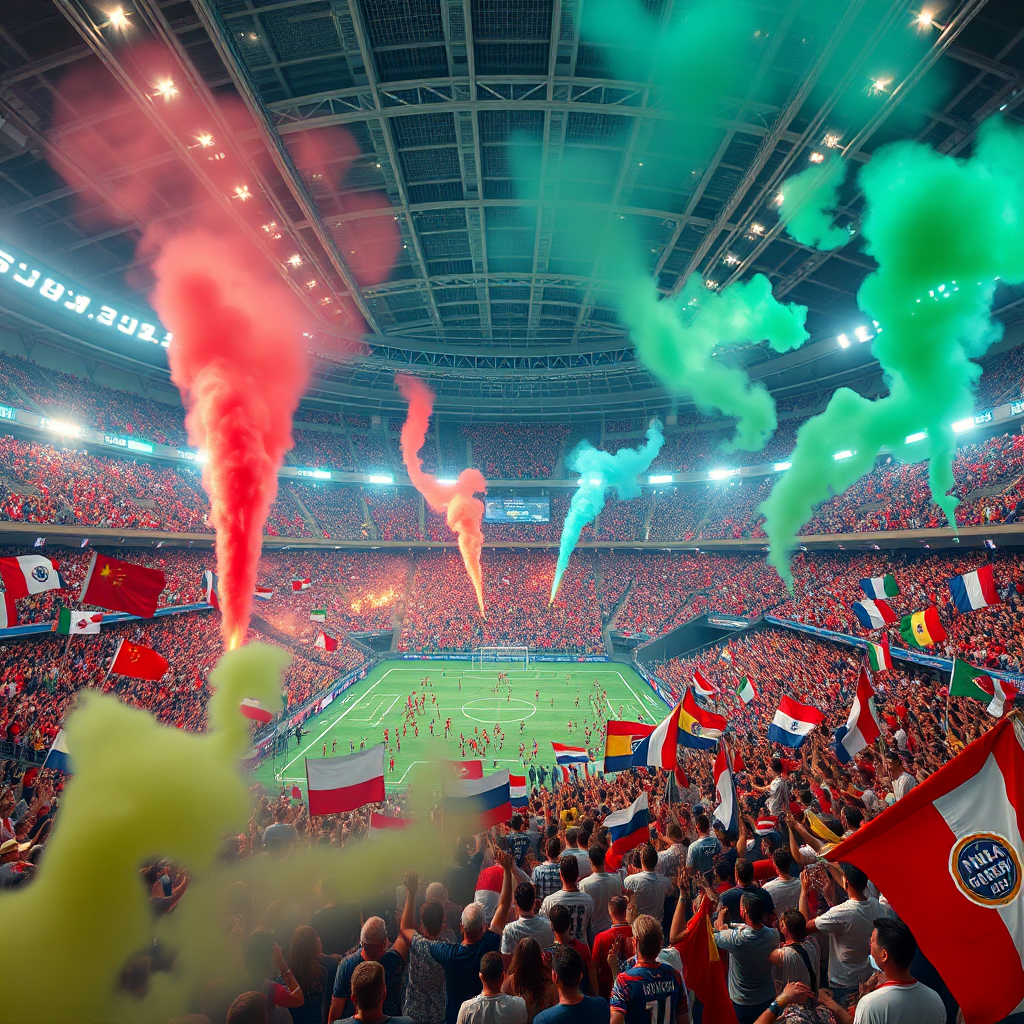 Hình minh hoạ: sunwin
Pre-Match Formations and Squad Selection Dynamics
Managerial preparations highlighted contrasting philosophies shaped by recent European scheduling demands. Liverpool entered the contest prioritizing sustainability over spectacle, opting for a balanced starting eleven that preserved fresh legs for upcoming domestic obligations. Rotations were visible in wide positions, where alternative options brought varying dribbling profiles and aerial capabilities. This approach aimed to disrupt Dortmund’s familiarity with primary starters while maintaining tactical coherence across phases of play. Training ground focus centered on defensive shape retention during transition moments, with repeated drill scenarios simulating rapid opponent counterattacks.
Conversely, Dortmund approached the matchup with an emphasis on proactive engagement, seeking to impose rhythm early and dictate territorial dominance. Selection choices favored attackers comfortable in tight spaces, reflecting a strategy designed to penetrate organized blocks through intricate interplay. However, injuries and suspension considerations limited ideal lineup combinations, forcing tactical compromises that emphasized wing play over central buildup. Scouting reports indicated awareness of Liverpool’s tendency to drop into a five-defender block during sustained pressure periods, prompting Dortmund to adjust crossing trajectories and incorporate delayed runs into the penalty spot. The divergence in selection philosophy ultimately dictated the spatial battles that unfolded throughout ninety minutes.

Battle Across the Midfield and Defensive Line Adjustments
Central control determined the trajectory of the encounter, with three pairs of midfielders competing for positional superiority. Liverpool deployed a double pivot designed to shield the defensive quartet while enabling progressive distribution through short, angled passes. Their holding midfielder functioned as a reset valve, absorbing pressure and redirecting possession away from dangerous zones. Opposing him, Dortmund utilized a more aggressive duo intended to intercept supply lines and trigger immediate forward surges. This setup created frequent two-on-one situations in midfield channels, resulting in turnovers that swung momentum unpredictably.
Defensive adjustments became critical after the interval. Dortmund’s center-backs shifted laterally to close passing lanes to advanced attackers, reducing effectiveness of diagonal switches. Meanwhile, Liverpool’s backline elevated their line incrementally, compressing vertical distance and limiting shooting angles from outside the box. Goalkeeper performances remained unremarkable statistically, yet shot-stopping reflexes were never truly tested due to the congested nature of chance creation. Set-piece organization drew attention, with both coaches instructing zonal marking systems reinforced by man-tracking responsibilities. Corner kick delivery varied between inswinging crosses aimed at near-post flick-ons and floated balls directed toward the penalty arc, though neither side capitalized decisively from dead-ball situations.
| Tactical Phase | Liverpool Approach | Dortmund Approach |
|---|---|---|
| Build-Up Structure | Compact mid-block with inverted full-back support | High press with asymmetrical wide overloads |
| Transition Defense | Rapid repositioning into five-man shape | Delayed recovery with wing-back tracking |
| Chance Creation Focus | Half-space penetration and quick combinations | Cross-based attacks and delayed runs |
| Set-Piece Configuration | Zonal markers with near-post screens | Man-marking hybrid with free-runner roles |

Manager Comments and Tactical Assessments
Post-match discussions reflected measured satisfaction tempered by awareness of lingering vulnerabilities. Liverpool’s head coach emphasized collective responsibility during high-pressure moments, noting that executing simple routines under fatigue demonstrated maturity beyond mere talent allocation. Press inquiries touched upon rotation decisions, with management confirming that workload monitoring remains paramount ahead of congested calendar windows. Statistical breakdowns shared with accredited journalists highlighted reduced pass completion rates in final third entries compared to previous fixtures, underscoring the need for sharper decision-making when opportunities arise.
Dortmund’s technical staff acknowledged operational shortcomings rather than lamenting officiating or external conditions. Post-game briefings revealed frustration with missed transitional windows, particularly instances where forward runs arrived too late to exploit recovered defensive shapes. Coaching staff stressed continuity over reactive changes, insisting that systematic improvements yield better results than panic-driven substitutions. External analysts echoed these observations, pointing out that tactical rigidity occasionally stifled creative outlets, especially when opposing units maintained compactness without committing errors. Broadcasting networks featured extended studio segments dissecting pressing maps and heat zones, providing viewers with granular insight into spatial competition dynamics.

Fixture Congestion and Strategic Priorities Ahead
European competition schedules continue to intensify, forcing clubs to balance continental ambitions with domestic league survival tactics. Liverpool faces immediate testing against domestically ranked opponents, requiring rapid recovery protocols and selective rest for heavy-minute contributors. Medical departments will monitor muscle load metrics closely, potentially influencing upcoming starting selections. Travel logistics remain manageable given proximity of next venues, allowing training sessions to maintain normal intensity levels without excessive logistical strain.
Dortmund confronts a more demanding pathway, navigating cross-country trips followed by high-stakes league encounters where dropped points carry severe consequences. Recovery timelines may necessitate earlier rotation cycles, placing additional burden on bench performers expected to replicate starting unit standards within days. Both organizations recognize that squad depth evaluation occurs continuously, with emerging talents receiving increased exposure to gauge readiness for permanent integration. Tracking platforms like sunwin offer comprehensive statistical archives that assist analysts in identifying performance trends across multiple competitions.
Frequently Asked Questions
- Why did the match remain low-scoring despite competitive pressing? Both sides prioritized defensive stability over attacking risk-taking, resulting in fragmented buildup phases and limited high-quality chance creation.
- How will this result impact qualification prospects? Single-goal margins carry substantial weight in aggregate formats, granting Liverpool psychological leverage while compelling Dortmund to adopt proactive strategies in subsequent fixtures.
- Were substitution impacts considered decisive? Tactical shifts altered spatial control during crucial intervals, though replacements primarily maintained structural integrity rather than generating immediate breakthroughs.
- What metrics should observers prioritize moving forward? Transition defense efficiency, set-piece conversion rates, and pressing trigger consistency will reveal whether current approaches yield sustainable advantages.
Targeted Recommendations by Reader Category
- Casual Supporters: Focus on seasonal progression narratives rather than isolating individual match outcomes. Narrow victories often reflect underlying tactical maturity that compounds over longer campaign periods.
- Tactical Analysts: Study midfield spacing diagrams and transition recovery patterns using available footage libraries. Identifying recurring positional overlaps reveals coaching intentions more effectively than basic possession percentages.
- Fantasy Competition Participants: Monitor workload distribution charts and injury status updates closely. Players involved in high-intensity pressing roles frequently experience performance dips during fixture clusters, making strategic bench utilization essential.
- Statistical Enthusiasts: Cross-reference xG models with actual shot locations to assess finishing efficiency discrepancies. Low-volume matches often highlight conversion variance that normalizes over larger sample sizes.
- Traveling Fans: Verify updated arrival requirements and venue accessibility guidelines well in advance. Modern sporting events implement dynamic crowd management protocols that evolve based on attendance thresholds and security directives.