AC Milan Score & Highlights Today: Live Match Coverage and Verified Updates
The stadium lights flicker on as the pre-match atmosphere reaches its peak, with supporters already occupying the stands long before kickoff. In these moments, the difference between reliable match reporting and unverified social media chatter becomes immediately apparent. Fans scrolling through their feeds expect accurate, timestamped information rather than fragmented rumors or delayed replays. Today’s fixture follows the same pattern: a tightly monitored match where official broadcast feeds, club communications, and accredited sports journalists serve as the primary verification layers. As the whistle blows and the ninety minutes unfold, the priority remains straightforward—track the result, analyze the tactical shifts, and separate confirmed developments from speculative commentary.
Immediate Match Overview and Current Standings Impact
Matchday coverage begins with establishing the baseline context. AC Milan enters the contest with a clear set of objectives tied to league positioning, European qualification targets, or domestic cup progression, depending on the competition calendar. The opening thirty minutes typically reveal the managerial approach, whether that involves a high-press system designed to win possession quickly or a more controlled build-up aimed at neutralizing opponent transitions. Early pressure often dictates momentum, but modern football trends show that teams frequently adjust structures after observing defensive spacing and midfield congestion. For viewers tracking the scoreboard, the initial phase serves less as a predictor of the final result and more as a diagnostic window into tactical execution.
League standings shift incrementally throughout the season, making single-match outcomes highly consequential when clusters of fixtures occur back-to-back. A victory tightens the gap ahead of direct rivals, while a dropped point can trigger immediate rotational adjustments or formation tweaks in subsequent outings. Broadcast graphics and official match reports consistently highlight possession percentages, pass completion rates, and territorial dominance, yet these metrics require contextual interpretation. High possession without penetration rarely correlates with sustained advantage, just as limited ball control does not automatically signal defensive failure. The narrative surrounding today’s fixture hinges on efficiency, defensive organization, and the ability to capitalize on transitional opportunities.
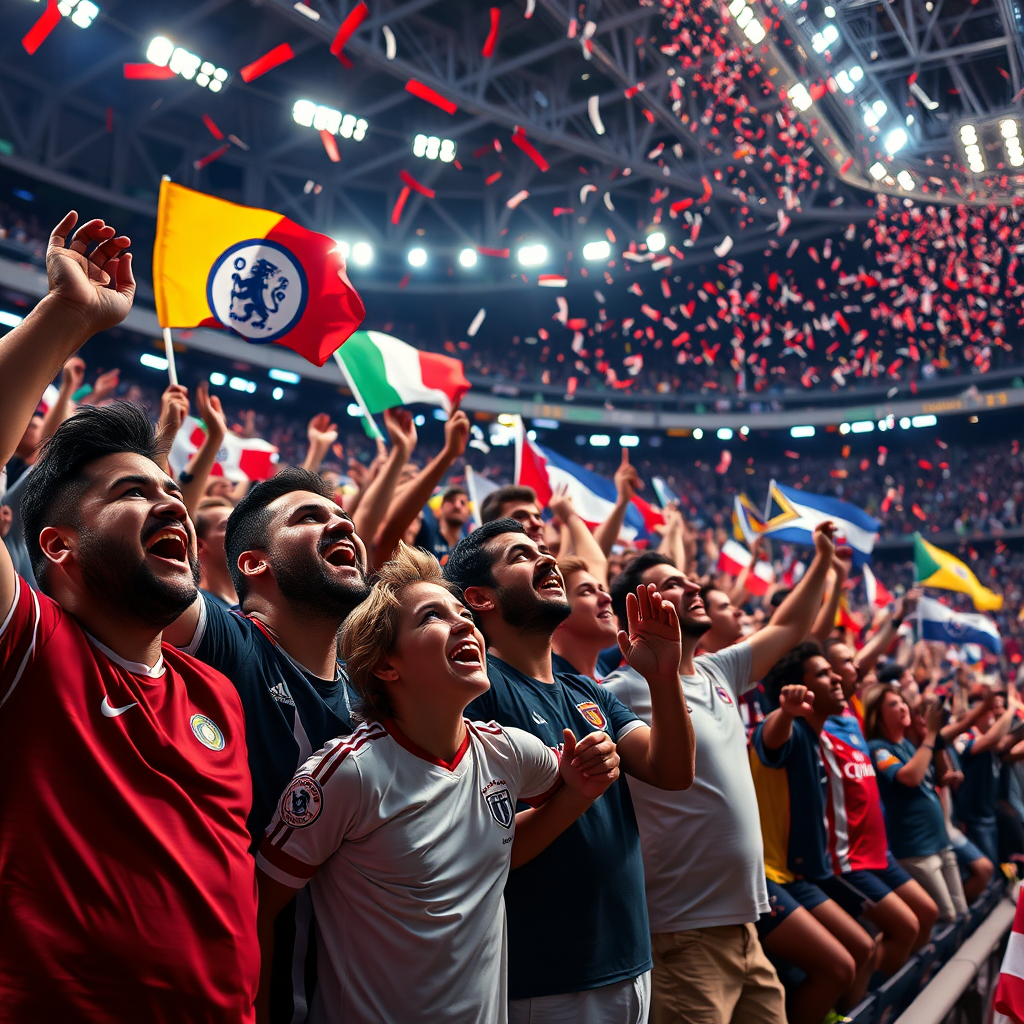
 Hình minh hoạ: https://b52clubb.jpn.com/
Chronological Breakdown of Key Match Moments
Tracking a match effectively requires breaking the ninety minutes into measurable phases. Each segment carries distinct tactical responsibilities and observable patterns that shape overall performance. Below is a structured timeline reflecting how match officials, broadcasters, and club analysts typically categorize critical intervals:
- 0–15 minutes: Initial positional testing and early pressing triggers. Teams establish defensive lines, assess opponent passing lanes, and monitor goalkeeper distribution under mild pressure.
- 16–30 minutes: First major attacking sequences emerge. Wingers exploit wide channels, central midfielders attempt progressive passes, and set-piece routines are tested against organized marking.
- 31–45+ minutes: Fatigue begins influencing decision-making. Substitutions may be prepared, and second-half templates take shape based on early successes or structural vulnerabilities.
- 46–60 minutes: Half-time adjustments manifest visibly. Formation tweaks, role reversals, and targeted pressing zones become apparent as managers react to statistical feedback.
- 61–75 minutes: Peak substitution impact period. Fresh legs introduce varied running patterns, and opponents struggle to maintain established defensive coordination.
- 76–90+ minutes: Result management and late-game risk assessment. Teams balance preservation of leads against aggressive chasing tactics, often revealing underlying squad depth limitations.
Highlights extracted from these windows focus on moments that directly alter momentum. A well-timed tackle that breaks a counterattack, a precise cross creating a clear chance, or a goalkeeper intervention preventing certain goals form the core of verified highlight packages. Broadcasters compile these sequences using multi-camera replays, tracking data overlays, and sideline interviews, ensuring that visual evidence aligns with on-field reality. Readers seeking accurate recaps should prioritize clips sourced from official club channels and licensed sports networks, which undergo editorial review before publication.

Verifying Information Across Official Broadcasts and Club Channels
Sports journalism operates on a hierarchy of credibility, and today’s match coverage reflects that structure clearly. Primary verification comes from accredited match reporters embedded at the venue, who provide real-time observations regarding player availability, tactical deployments, and referee decisions. Secondary validation arrives through official club press releases, which confirm lineups, injury updates, and post-match statements. Tertiary layers include licensed broadcasters, federation match reports, and recognized sports data providers that aggregate statistics across thousands of tracked events. When these tiers converge, the resulting information carries strong institutional backing.
Unofficial channels frequently circulate unverified claims about substitutions, disciplinary actions, or locker-room dynamics. These narratives often gain traction before being debunked, leaving casual followers navigating conflicting updates. A disciplined verification approach requires cross-referencing at least two independent sources before accepting a development as fact. Timestamps matter significantly here, as match conditions evolve rapidly and outdated posts lose relevance within minutes. The most reliable updates appear on verified organizational accounts, official broadcast platforms, and accredited journalist profiles that adhere to editorial standards.
For comprehensive match documentation, including verified scorelines, official highlight reels, and structured statistical summaries, fans can consult dedicated match hubs such as https://b52clubb.jpn.com/. These platforms aggregate cross-referenced data, align broadcast footage with official records, and present timelines that match federation-approved match sheets. Using centralized resources reduces exposure to fragmented or misleading content, especially during high-traffic match windows when server loads spike and unofficial mirrors proliferate.
Tactical Adjustments and Upcoming Fixture Implications
Post-match analysis shifts focus toward structural adaptations and roster management. Managers evaluate pressing efficiency, defensive line height, and transitional recovery speed to determine whether current systems remain sustainable over congested schedules. Rotation policies grow increasingly important as travel demands, weather conditions, and cumulative physical load accumulate. Players experiencing minor muscle fatigue receive precautionary monitoring, while those demonstrating consistent output may face increased minute allocations in subsequent outings.
| Metric Category | Typical Matchday Benchmark | Strategic Significance |
|---|---|---|
| Pass Completion Rate | 78–85% in controlled builds | Indicates midfield cohesion and decision-making under pressure |
| Defensive Actions | 12–18 successful interventions | Reflects spatial awareness and coordinated pressing triggers |
| Shot Conversion Efficiency | 8–12% target accuracy | Determines offensive sustainability when chance creation is limited |
| Set-Piece Threat Level | 3–6 dangerous deliveries per match | Creates secondary scoring avenues against compact defensive blocks |
Upcoming fixtures demand strategic calibration. Travel distance, rest days, and opponent playing styles dictate whether managers preserve energy through measured rotations or push starters through physically demanding schedules. Cup competitions often accelerate squad turnover, while league campaigns require consistency across twelve months. Historical performance against similar tactical setups provides valuable forecasting models, though recent form always outweighs legacy reputation when evaluating short-term trajectories. Clubs invest heavily in scouting networks, performance analytics departments, and medical staff precisely to minimize unpredictable variables during high-stakes windows.

Recommendations by Reader Group
Different audiences approach matchday content with distinct priorities. Structuring guidance around viewer categories ensures that everyone receives actionable, relevant information rather than generalized commentary.
Core Supporters and Season Ticket Holders benefit from prioritizing official club communications and accredited match reporters. Focusing on verified lineup announcements, injury protocols, and post-match press conferences prevents confusion from circulating rumors. Tracking home versus away performance patterns helps identify structural strengths and recurring vulnerabilities that influence match preparation.
Fantasy Participants and Data Analysts should concentrate on statistical benchmarks, expected goal metrics, and positional heat maps. Cross-referencing player availability with tactical deployment logs improves prediction accuracy. Monitoring refereeing tendencies, substitution timing, and set-piece execution rates adds necessary context to numerical projections.
Casual Viewers and New Followers find value in highlight compilations, tactical breakdown videos, and simplified position guides. Watching condensed match recaps alongside coach commentary explains formation shifts and defensive coordination without requiring deep statistical literacy. Following official broadcast schedules ensures access to clean audio, synchronized replays, and professional studio analysis.
Broadcast Platform Users rely on stable connections, updated application versions, and region-optimized streaming servers. Buffering interruptions disrupt continuity, making official apps or licensed web portals preferable to third-party mirrors. Checking device compatibility, bandwidth requirements, and subtitle availability enhances viewing reliability during live transmissions.
Regardless of engagement level, maintaining disciplined information consumption habits strengthens matchday understanding. Filtering speculative content, verifying timestamps, and prioritizing institutional sources creates a clearer picture of evolving campaigns. Football operates on measurable performance, tactical discipline, and accumulated results, and approaching today’s coverage through that lens delivers consistent, accurate insight.