789clubvip.mx: Match Preview Arsenal vs Borussia Dortmund – Champions League
The tunnel leading onto the pitch at the Emirates Stadium was unusually quiet as of 16:30 GMT today. Coaches had finished their final walkthroughs, medical staff were conducting last-minute mobility assessments on fringe squad members, and analysts were pulling up clip compilations of transitional defending patterns. Within hours, the space will fill with nearly sixty thousand supporters, but right now, the room belongs to preparation. As matchday approaches, attention shifts from routine drills to precise execution. This preview consolidates the most recent tactical indicators, historical benchmarks, and logistical parameters ahead of the Champions League fixture between Arsenal and Borussia Dortmund.
Recent media briefings and training ground observations point to a deliberate shift in emphasis for both sides. Rather than relying solely on established formations, both managerial camps appear to be prioritizing vertical passing lanes and compact midfield structures. For Arsenal, the focus remains on controlling the half-spaces while maintaining defensive discipline during opposition counterattacks. Dortmund, conversely, has been refining their ability to exploit wide channels and accelerate ball progression through rapid trios. These adjustments suggest a game built on timing rather than brute possession. Fans following official tournament dashboards often note that platforms like 789club provide centralized tracking for squad availability, referee appointments, and broadcast windows, streamlining the pre-match research process for international audiences. Regardless of where information is aggregated, the core narrative revolves around how each team handles pressure in the final third and how quickly they recover shape after losing territory.
Latest Tactical Adjustments and Squad Availability
Squad reporting indicates that both clubs are managing fatigue across congested domestic schedules, which inevitably influences selection parameters. Injury classifications in elite football rarely follow static timelines, as recovery protocols depend on individual biomechanics and workload distribution. Consequently, final fifteen-man squads will likely reflect rotational choices designed to preserve peak physical readiness for the ninety-minute window. Early indications suggest that central defensive partnerships will be tested earlier in the season than usual, forcing backlines to communicate through coordinated stepping and cover shadows. Midfielders will bear the heaviest transitional burden, tasked with intercepting forward drives while simultaneously initiating quick build-up sequences. Wingers and overlapping fullbacks remain critical components for stretching horizontal spacing, particularly when facing teams that drop into low blocks. Training ground footage from previous matchweeks highlights repeated repetitions of set-piece routines, emphasizing short corners and late runs into penalty areas. These micro-adjustments rarely dominate headlines, yet they frequently determine tight encounters where margins are measured in inches rather than goals. Managers typically reserve major announcements until twenty-four hours before kickoff, allowing flexibility to respond to unforeseen fitness fluctuations or opponent-specific scouting insights. Supporters tracking official club channels should expect confirmation lists that prioritize positional versatility over rigid hierarchy, reflecting modern recruitment strategies that value adaptability above specialization.
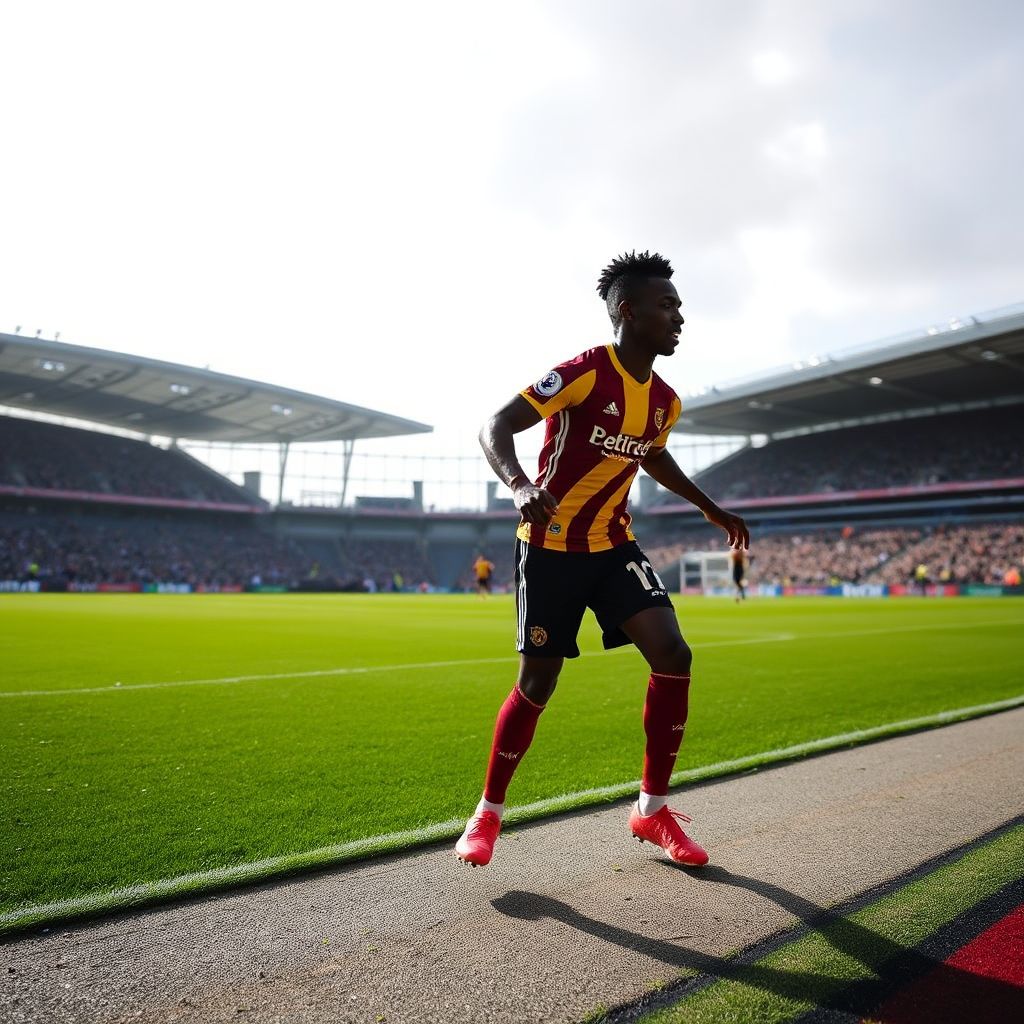
 Hình minh hoạ: 789club
Historical Context and Tournament Stakes
Encounters between English and German clubs carry distinct architectural weight in European competition history. Past meetings often reveal contrasting philosophical evolutions, with English sides historically favoring structured buildup and German counterparts emphasizing vertical momentum and spatial awareness. Over the last decade, tactical convergence has blurred those traditional boundaries, as high presses and positional play dominate top-tier tournaments. This fixture represents more than a routine group-stage assignment; it functions as a measuring stick for seasonal trajectory. Points accumulated during this window influence seeding calculations, psychological momentum, and scheduling advantages for subsequent rounds. Both organizations have invested heavily in youth development pathways, producing technically proficient players capable of executing complex pressing triggers. Historical data shows that knockout phases frequently reward teams that balance risk management with calculated aggression, particularly in away environments. Dortmund’s recent campaign characteristics highlight resilience under sustained pressure, while Arsenal’s domestic dominance suggests confidence born from consistent results. Neither side enters this matchup without vulnerabilities, as defensive transitions and aerial duels remain universal challenge vectors. The Champions League format inherently rewards tactical patience, penalizing reckless possession retention and rewarding decisive moments in wide zones. Understanding these historical currents helps contextualize current strategic decisions, reminding observers that past outcomes rarely guarantee future trajectories when personnel, coaching directives, and environmental conditions fluctuate.

Formation Breakdown and Key Matchups
Tactical setups will likely revolve around controlled asymmetry, with one side committing additional width while the other maintains compact central density. Possession-oriented phases require precise weight of pass and movement off the ball to disrupt defensive lines. Counter-pressing initiatives demand synchronized triggering mechanisms, ensuring that lost possessions are contested within three seconds of turnover. Set-piece efficiency separates closely matched programs, as organized routines consistently generate higher-value opportunities than open-play accumulation. Below is a comparative framework outlining typical operational parameters observed during recent competitive windows:
| Tactical Parameter | Arsenal Profile | Borussia Dortmund Profile |
|---|---|---|
| Build-Up Orientation | Ground-focused circulation with inverted fullback integration | Vertical progression via central corridors and wing-back overloads |
| Defensive Block Structure | Mid-to-high hybrid press with coordinated cover shadows | Aggressive trigger-based press targeting backward passes |
| Transition Speed | Controlled acceleration after regaining possession | Rapid vertical exploitation targeting half-spaces |
| Set-Piece Reliance | Short-corner variations with late penalty-area entries | Direct delivery targeting front-post flick-ons |
These parameters reflect general tendencies rather than guaranteed deployments, as match-day selections routinely adapt to opponent weaknesses. Watching how each side manages midfield congestion will reveal strategic priorities. Teams that successfully establish numerical superiority in central zones typically dictate tempo and restrict opposition creativity. Conversely, successful wide breakout sequences force compact defenses to stretch, creating exploitable gaps between lines. Coaching staffs analyze these dynamics through video decomposition, identifying recurring patterns in opponent positioning during dead-ball situations and transitional phases. The margin for error shrinks significantly when both programs operate at comparable technical levels, elevating the importance of decision-making under fatigue. Spectators observing from elevated vantage points often notice how spatial manipulation unfolds across phases, with defenders adjusting marking assignments dynamically rather than adhering to rigid zonal systems. Modern tactical education emphasizes fluid role interchangeability, allowing attackers to drift centrally while wingers invert, confusing defensive tracking markers. Defensive units counter by rotating cover responsibilities, ensuring that no single attacker exploits unmarked pockets indefinitely. This chess-like progression defines contemporary European competition, where marginal gains accumulate throughout ninety minutes rather than arriving through isolated moments of brilliance.

Manager Commentary and Stakeholder Reactions
Press conferences preceding high-profile fixtures rarely offer definitive declarations, functioning instead as controlled environments for messaging alignment. Managers typically emphasize collective responsibility, tactical discipline, and environmental awareness, avoiding speculative predictions that could distract squad cohesion. Recent statements from both camps highlight preparation protocols, focusing on repetitive pattern recognition and situational decision training. Veteran players frequently reinforce these themes, noting that experience provides clarity during chaotic phases rather than dictating outcomes outright. Support staff emphasize recovery nutrition, sleep architecture, and psychological conditioning, recognizing that physical readiness intersects seamlessly with cognitive performance. International broadcasters and analytics firms monitor these communications for subtle clues regarding formation preferences or rotational intentions, though actual deployments remain deliberately opaque until kickoff. Fan communities generate substantial discourse across digital forums, analyzing historical matchups and projecting probable narratives. While enthusiasm fuels engagement, grounded observation requires distinguishing between emotional projection and evidence-based assessment. Club officials coordinate extensively with tournament organizers to ensure compliance with broadcasting regulations, commercial obligations, and security protocols, recognizing that seamless operations elevate the spectator experience. Media accreditation processes filter access to restricted zones, preserving tactical privacy while enabling accredited journalists to deliver comprehensive coverage. Ultimately, stakeholder alignment centers on maximizing competitive integrity, balancing commercial visibility with sporting authenticity. Observers benefit from cross-referencing multiple sources, including official club channels, independent tactical blogs, and certified referee reports, constructing a multidimensional understanding before whistle initiation.

Pre-Match Action Checklist and Viewing Protocol
Preparing for elite-level competition requires systematic verification across logistical, informational, and behavioral dimensions. Adhering to a structured protocol minimizes confusion and maximizes engagement quality. Follow these steps to ensure complete readiness:
- Verify official broadcast rights for your region, confirming channel availability, streaming platform compatibility, and scheduled kickoff times adjusted for local time zones.
- Monitor verified club social media accounts for last-minute squad confirmations, substitution patterns, and warm-up routine announcements within two hours of kickoff.
- Review referee appointment details and assistant judge allocations, noting historical tendencies regarding card frequency, advantage application, and stoppage time allocation.
- Establish a stable connection baseline if watching digitally, prioritizing wired connections over wireless networks to prevent buffering disruptions during critical phases.
- Prepare ambient environment controls, adjusting lighting and audio settings to enhance spatial awareness without compromising concentration during tactical shifts.
- Document personal viewing notes, tracking possession percentages, shot conversion rates, and pressing intensity metrics to evaluate post-match performance accurately.
- Confirm transportation and venue access routes if attending in person, allowing extended arrival windows for security screening, ticket verification, and stadium navigation.
- Engage responsibly with community discussions, avoiding speculative claims about injuries or transfers unless sourced from recognized medical or organizational channels.
Execution of these steps transforms passive consumption into informed observation. Tactical nuances become clearer when viewers understand underlying frameworks rather than reacting superficially to isolated events. Champions League fixtures demand sustained attention, rewarding those who track phase transitions, spatial manipulation, and decision-making consistency. Whether accessed through television screens, mobile applications, or stadium terraces, the experience converges on shared appreciation for athletic precision and strategic complexity. Final preparations conclude as stewards secure perimeter zones, coaches arrange tactical boards, and athletes complete final stretches. The window closes on speculation. Execution begins. Tracking these elements systematically ensures accurate comprehension of how modern European football operates at its highest competitive tier.